Player Spotlights: Youngest & Rising Stars to Watch in FIFA World Cup 2026
As the FIFA World Cup 2026 approaches, one of the most exciting narratives will be how the next generation steps up. With the tournament expanded to 48 teams and many squads embracing youth, rising stars and young talents will have a unique opportunity to shine. In this post, we highlight some of the youngest and most promising players likely to grab global attention in 2026.
What Makes a “Rising Star”?
- Age generally in the early 20s (or late teens)
- Already showing high performance at club or youth international levels
- Poised to transition from “prospect” to “influencer” in major tournaments
- National teams willing to integrate youth into squads
Top Young Names to Watch
Here are several standout young footballers already making waves, who could play major roles in 2026:
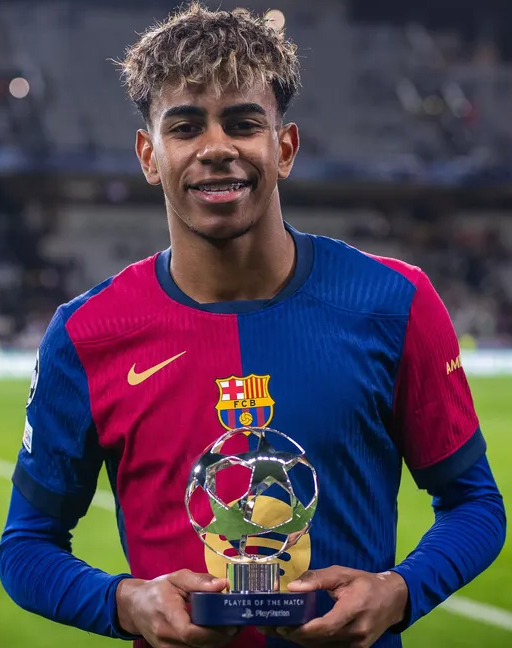
| Player | Country | Age / Birth Year | Role / Traits | Why They Matter for 2026 |
|---|---|---|---|---|
| Lamine Yamal | Spain | Born 2007 | Winger / attacker | Yamal is already breaking records — youngest goalscorer and assist provider for Spain. He combines dribbling, creativity, and composure, making him a candidate to lead Spain’s attack in 2026. |
| Nestory Irankunda | Australia | Born 2006 | Winger | A rapid winger with flair, Irankunda already earned a senior national call-up and scored for Australia. His trajectory suggests he could be a key attacking weapon in the 2026 squad |

Other Rising Names to Watch
Beyond the headliners, several other young talents are drawing attention in previews and youth talent lists:
- Benjamin Šeško (Slovenia) – A powerful forward expected to mature into a goal threat.
- Pedri, Musiala, Endrick () – Already recognized as stars in youth previews who may mature into leadership roles by 2026.
- Florian Wirtz (Germany) – A creative midfielder projected to assume a greater role.
- Omar Marmoush (Egypt) – An attacker with pace and clinical finishing.
- João Neves (Portugal) – Tactical, composed midfielder with skill for forward transitions.
- Désiré Doué (France) – Fast, daring forward already breaking into France’s plans.
Challenges & What They Need to Prove
- Physical & mental consistency: Big tournaments demand stamina, consistency, and mindset.
- Handling pressure: With global audiences, media, expectations — young players must maintain composure.
- Tactical adaptation: They must fit into national team systems and learn to balance flair with structure.
- Injury avoidance: Youth doesn’t immunize against fatigue or injury — managing minutes will matter.
How Their Rise Changes 2026 Dynamics
- Teams will be less predictable — reliance on stars from prior eras may decrease.
- Underdogs with youthful squads may surprise bigger nations.
- Transfer markets and club careers will be influenced by World Cup performances—breakout tournaments often redefine careers.