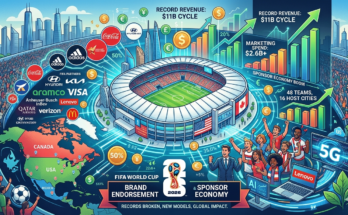
The FIFA World Cup 2026 will be the largest tournament in football history, bringing together 48 teams across 16 cities in the United States, Canada, and Mexico. While the excitement of the matches captures global headlines, the real story for local communities lies in the economic and social impact of hosting. From job creation and tourism to cultural exchange and infrastructure development, the World Cup will leave a lasting footprint on North America.
Economic Impact on Host Cities 💰
1. Boost in Tourism & Hospitality
- Millions of international fans will travel to North America for the month-long tournament.
- Hotels, restaurants, transport, and entertainment venues are expected to see record revenues.
- Cities like Los Angeles, New York, and Toronto are preparing for surges in demand, with ripple effects on local businesses.
2. Job Creation & Local Employment
- FIFA estimates over 824,000 full-time jobs will be supported across the host nations during the event.
- These roles include construction, security, event management, hospitality, and digital services.
- For cities like Dallas and Atlanta, this is a chance to showcase growth in service industries.
3. Infrastructure Development
- Stadium upgrades, public transport expansions, and urban improvements are being accelerated.
- These investments often outlive the tournament, improving quality of life for residents.
- Critics, however, argue that overspending on infrastructure can strain city budgets if not managed carefully.
4. Revenue Generation & Tax Benefits
- The World Cup 2026 could generate up to USD 40 billion in GDP across host nations.
- Local governments benefit through increased tax revenue from tourism and event-related spending.
- Cities like Miami and Houston anticipate record sales tax collections during match weeks.
Social Impact on Host Cities🌍
1. Global Visibility & City Branding
- Hosting World Cup matches provides unmatched media exposure.
- Cities such as Kansas City and Guadalajara will receive worldwide attention, promoting future tourism and investment.
- Positive experiences for fans can enhance a city’s global image for years.
2. Cultural Exchange & Diversity
- With fans arriving from nearly every continent, the event becomes a cultural melting pot.
- Local communities benefit from exposure to different traditions, languages, and fan cultures.
- This fosters inclusivity and strengthens the global reputation of North American diversity.
3. Community Engagement & Legacy
- Local sports programs often see surges in participation, inspiring young people to play football.
- Community initiatives tied to the World Cup include volunteering, local festivals, and educational programs.
- The sense of unity and celebration extends beyond the stadiums, creating long-term social bonds.
4. Challenges & Social Costs
- Ticket affordability and equitable access remain issues, with many fans worried about rising costs.
- Residents in some host cities have expressed concerns about congestion, housing shortages, and public spending priorities.
- Balancing community needs with event prestige will be crucial.
Balancing Benefits & Challenges ⚖️
While the economic upside of the World Cup 2026 is enormous, host cities must also prepare for potential challenges. Ensuring affordable housing, fair ticket access, and sustainable development will determine whether the tournament’s legacy is truly positive.